HR Management Software for Small Business: A Complete Guide to Smarter Workforce Management
Introduction to HR Management Software for Small Business
Managing people is one of the most important parts of running a small business. As a company grows, handling employee records, payroll, attendance, and communication can become difficult without proper systems in place. Many business owners start with manual methods, but these quickly become time-consuming and prone to errors.
This is where HR management software for small business becomes valuable. It helps organize employee data, simplify routine tasks, and improve overall efficiency. Instead of spending hours on paperwork, business owners can focus on growth and team development.
This guide explains how HR software works, why it matters for small businesses, and how to choose the right solution for your needs.
What Is HR Management Software: HR Management Software for Small Business
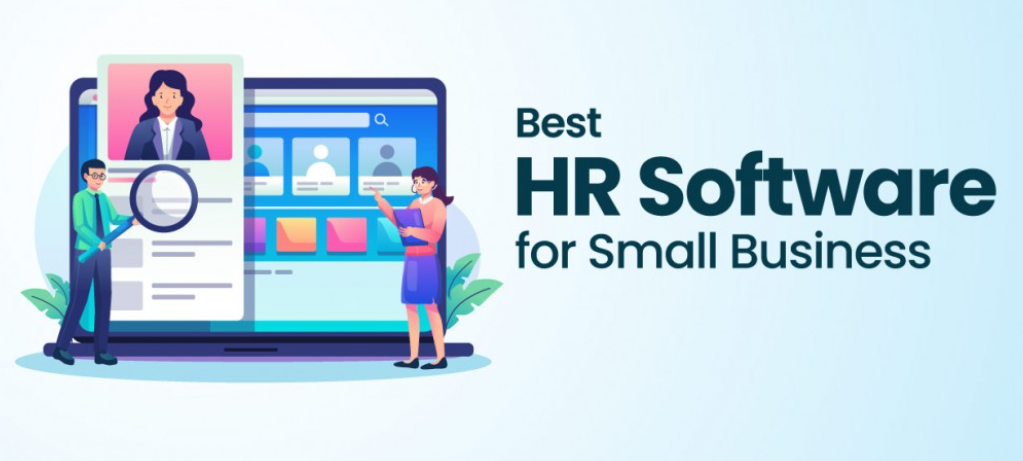
HR management software is a digital tool designed to handle various human resource tasks in one place. It replaces manual processes and helps manage employee-related activities more effectively.
The software usually includes features such as employee record management, payroll processing, attendance tracking, and performance monitoring. Some systems also offer recruitment tools and communication features.
For small businesses, this type of software acts as a central hub where all employee information is stored and easily accessible. It reduces the need for paperwork and improves accuracy in daily operations.
Also check-Train Accident Lawyer
Why Small Businesses Need HR Software: HR Management Software for Small Business
Small businesses often operate with limited resources. Owners and managers may handle multiple responsibilities, including HR tasks. This can lead to delays, mistakes, and unnecessary stress.
HR software helps solve these challenges by automating routine work. It ensures that important tasks are completed on time and reduces the chances of errors.
It also improves organization. Employee data is stored securely and can be accessed quickly when needed. This saves time and helps maintain consistency.
Another advantage is better decision-making. With clear records and reports, business owners can understand employee performance and plan future strategies more effectively.
Key Features of HR Management Software: HR Management Software for Small Business
HR management software includes several features that support different aspects of workforce management. Understanding these features helps you choose the right tool.
Employee information management is one of the basic features. It allows you to store personal details, job roles, and work history in one place.
Attendance and leave tracking help monitor working hours and manage time off requests. This ensures accurate records and fair policies.
Payroll management simplifies salary calculations, tax deductions, and payments. It reduces errors and saves time.
Performance management tools help evaluate employee progress and set goals. This supports growth and development.
Recruitment features assist in hiring new employees by managing job postings and applications.
These features work together to create a smooth and organized HR process.
Benefits of Using HR Software in a Small Business: HR Management Software for Small Business
Using HR software brings several practical benefits that improve daily operations.
One of the main benefits is time savings. Tasks that once took hours can be completed in minutes with automation.
Accuracy is another important advantage. Automated calculations reduce mistakes in payroll and attendance records.
The software also improves communication. Employees can access their information, request leave, and stay updated through a single platform.
Compliance with labor laws becomes easier. The system helps maintain proper records and ensures that regulations are followed.
Another benefit is scalability. As the business grows, the software can handle increased data and more employees without difficulty.
How HR Software Improves Employee Experience: HR Management Software for Small Business
Employee satisfaction plays a major role in business success. HR software helps create a better work environment by simplifying processes.
Employees can access their details, check salary information, and apply for leave without delays. This transparency builds trust.
Quick responses to requests improve communication between employees and management. It reduces frustration and keeps everyone informed.
Performance tracking helps employees understand their progress and areas for improvement. This encourages growth and motivation.
A well-organized system makes employees feel valued and supported, which can lead to better retention.
Choosing the Right HR Software for Your Business: HR Management Software for Small Business
Selecting the right HR software requires careful consideration. Not all systems are suitable for every business.
Start by identifying your needs. Consider the size of your team and the tasks you want to manage.
Look for software that is easy to use. A simple interface reduces the learning curve and helps your team adapt quickly.
Check if the software can grow with your business. Scalability is important for long-term use.
Customer support is another key factor. Reliable support ensures that any issues are resolved quickly.
Reading user reviews can also provide insight into the software’s performance and reliability.
Cloud-Based vs On-Premise HR Software: HR Management Software for Small Business
There are two main types of HR software: cloud-based and on-premise.
Cloud-based software is hosted online and can be accessed from anywhere. It is flexible and requires minimal setup. Updates are handled automatically by the provider.
On-premise software is installed on your company’s systems. It offers more control but requires maintenance and technical support.
For small businesses, cloud-based solutions are often more practical because they are cost-effective and easy to manage.
Cost Considerations for Small Businesses: HR Management Software for Small Business
Budget is an important factor when choosing HR software. Small businesses need solutions that provide value without high costs.
Some software options offer subscription-based pricing, where you pay monthly or yearly. Others may charge based on the number of employees.
It is important to compare features and pricing. The cheapest option may not always be the best if it lacks important functions.
Consider the long-term benefits. Investing in the right software can save time and reduce errors, which ultimately lowers costs.
Free trials can help you test the software before making a decision.
Common Challenges When Implementing HR Software: HR Management Software for Small Business
Introducing new software can come with challenges. Understanding these challenges helps in better preparation.
One common issue is resistance to change. Employees may be used to old systems and hesitate to adopt new tools.
Training is important to ensure that everyone understands how to use the software. Proper guidance makes the transition smoother.
Data migration can also be a challenge. Moving existing records into the new system requires careful handling.
Technical issues may arise during setup. Having support from the provider can help resolve these problems quickly.
Planning and communication are key to overcoming these challenges.
Data Security and Privacy: HR Management Software for Small Business
Employee data is sensitive and must be protected. HR software should have strong security measures to keep information safe.
Look for systems that offer data encryption and secure access controls. This prevents unauthorized access.
Regular backups are also important to avoid data loss.
Compliance with data protection regulations ensures that your business follows legal requirements.
Choosing a trusted provider with good security practices gives peace of mind.
Future Trends in HR Management Software: HR Management Software for Small Business
Technology continues to evolve, and HR software is improving with new features.
Automation is becoming more advanced, allowing businesses to handle tasks with minimal effort.
Data analytics is helping companies make better decisions by providing insights into employee performance and trends.
Mobile access is also increasing. Employees can manage their tasks through smartphones, making the system more convenient.
These trends show that HR software will continue to play an important role in business operations.
Practical Tips for Getting Started: HR Management Software for Small Business
Starting with HR software does not have to be complicated. Taking simple steps can make the process easier.
Begin by listing your current HR tasks and identifying areas that need improvement.
Choose software that matches your requirements and budget.
Train your team and provide clear instructions for using the system.
Monitor the software’s performance and make adjustments as needed.
Taking a gradual approach helps ensure a smooth transition.
Integration with Other Business Tools: HR Management Software for Small Business
One important advantage of modern HR management software is its ability to connect with other tools used in your business. Small businesses often rely on different systems for accounting, communication, and project management. When these systems work separately, it can lead to confusion and repeated work.
HR software that integrates with accounting tools can simplify payroll and financial tracking. Salary data can be transferred directly without manual entry, reducing errors and saving time. Integration with communication platforms also helps keep employees informed about updates, policies, and announcements.
Some systems connect with project management tools, allowing managers to track employee performance alongside task completion. This creates a more complete picture of productivity.
Choosing software that supports integration helps create a smooth workflow across your business operations. It reduces duplication of effort and improves overall efficiency.
Customization and Flexibility: HR Management Software for Small Business
Every small business operates differently, and a one-size-fits-all approach may not always work. This is why customization is an important feature in HR software.
Customizable dashboards allow you to focus on the information that matters most to your business. You can arrange reports, employee data, and performance metrics in a way that suits your workflow.
Flexible leave policies, attendance rules, and payroll settings help match the system to your company’s structure. This is especially useful for businesses with unique working hours or different job roles.
As your business grows, your needs may change. Software that offers flexibility allows you to adapt without switching to a completely new system. This saves both time and effort in the long run.
Role of HR Software in Compliance Management: HR Management Software for Small Business
Following labor laws and regulations is an important responsibility for any business. Small businesses may find it difficult to keep track of changing rules and maintain proper records.
HR management software helps simplify compliance by organizing employee data and maintaining accurate records. It ensures that important details such as working hours, salaries, and leave records are stored correctly.
Automated reminders can help you stay updated with deadlines related to tax filings or employee documentation. This reduces the risk of penalties and legal issues.
Having a well-organized system also makes it easier to respond to audits or inspections. Proper documentation can be accessed quickly, saving time and reducing stress.
Measuring Success After Implementation: HR Management Software for Small Business
Once HR software is implemented, it is important to evaluate its impact on your business. Measuring success helps you understand whether the system is meeting your expectations.
One way to measure success is by tracking time savings. If tasks like payroll and attendance management take less time, it shows that the software is working effectively.
Another indicator is accuracy. Fewer errors in records and calculations mean the system is improving reliability.
Employee feedback also plays a key role. If employees find the system easy to use and helpful, it contributes to a positive work environment.
Regularly reviewing performance reports and system usage can help you identify areas for improvement. Making small adjustments ensures that you get the best results from your investment.
Building a Strong Foundation for Growth: HR Management Software for Small Business
HR management software does more than just handle daily tasks. It helps build a strong foundation for future growth.
As your business expands, managing a larger team becomes more complex. Having a reliable system in place ensures that operations remain smooth even as responsibilities increase.
Organized data and clear processes make it easier to onboard new employees and maintain consistency across the team. This creates a professional environment that supports long-term success.
Investing in the right HR software at an early stage prepares your business for growth and reduces the need for major changes later.
Conclusion
Managing human resources is a critical part of running a successful small business. Without proper systems, tasks can become overwhelming and lead to errors.
HR management software for small business provides a practical solution by organizing processes, saving time, and improving accuracy. It supports both employers and employees by creating a more structured and efficient work environment.
Choosing the right software and using it effectively can make a significant difference in how your business operates. With the right tools in place, you can focus on building a strong team and growing your business with confidence.