Investment Portfolio Management Software: Complete Guide for Smart Investors in 2026
Introduction to Investment Portfolio Management Software
Managing investments has become more complex than ever before. Investors today are not only dealing with stocks and bonds but also cryptocurrencies, mutual funds, ETFs, retirement accounts, commodities, and international assets. Tracking all these investments manually can feel like trying to control a storm with a paper map. This is where investment portfolio management software becomes essential for modern investors and financial professionals.
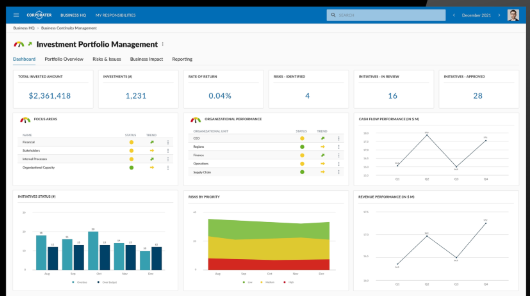
Investment portfolio management software helps investors organize, monitor, analyze, and optimize their financial assets through a single digital platform. Instead of using spreadsheets, notebooks, or scattered apps, investors can view their complete financial picture in one place. This technology has changed the way individuals, wealth managers, and financial advisors handle investment decisions.
The demand for portfolio management software has increased rapidly because financial markets move quickly. Investors want real-time updates, instant performance reports, tax tracking, and automated insights. A missed opportunity or delayed decision can affect profits significantly. Modern software tools solve this problem by providing instant access to financial data and advanced analytics.
The growth of digital investing platforms has also encouraged younger investors to enter the market. Many beginners now use portfolio management software to learn investment strategies, monitor risk levels, and build long-term wealth. These platforms simplify complicated financial information and make investing more accessible to everyday people.
Recent financial technology reports show that global investment management software adoption continues to rise strongly in 2026 as investors seek better automation and smarter financial planning tools
What Is Investment Portfolio Management Software
Investment portfolio management software is a digital platform designed to help investors track, manage, and optimize their financial investments. These platforms organize information about stocks, bonds, ETFs, mutual funds, retirement accounts, cryptocurrencies, and other assets into a single dashboard. Instead of checking multiple websites or maintaining spreadsheets manually, investors can monitor all their holdings in one centralized system.
Think of portfolio management software like the control room of a large airport. Pilots need accurate information to guide aircraft safely, and investors need reliable financial data to guide investment decisions. Without proper tools, managing investments can become confusing, especially when portfolios grow larger and more diversified.
Modern portfolio software does more than simply display balances. It provides performance reports, asset allocation analysis, risk assessments, market insights, and tax calculations. Many platforms also include automation features that help investors rebalance portfolios and track long-term financial goals.
The popularity of investment portfolio management software has grown because investing itself has become more accessible. Mobile apps and online brokerages allow millions of people to enter financial markets easily. As more people invest, the need for organized financial management tools continues increasing.
Also check- SEO Services For Lawyers
How Portfolio Management Software Works: Investment Portfolio Management Software
Portfolio management software works by connecting directly to financial accounts and gathering investment data automatically. Investors can link brokerage accounts, bank accounts, retirement funds, and cryptocurrency wallets to create a complete financial overview.
Once connected, the software updates account balances, transaction history, gains, losses, and market values in real time. Investors can view detailed charts and analytics showing portfolio performance over different periods. Instead of waiting for monthly statements, they receive instant updates whenever market conditions change.
Advanced software platforms also analyze investment risks. They evaluate asset allocation, diversification, volatility, and sector exposure. If an investor holds too much money in one sector, the software may suggest rebalancing strategies to reduce risk.
Some platforms use artificial intelligence and machine learning to provide investment recommendations. These systems analyze market trends and investor behavior to generate personalized insights. While technology cannot guarantee profits, it helps investors make more informed decisions.
Why Investors Need Portfolio Software: Investment Portfolio Management Software
Investing without proper organization is like driving through an unfamiliar city without navigation. It is possible, but mistakes become much more likely. Portfolio management software provides clarity and direction, helping investors understand exactly where their money is invested.
Many investors own multiple accounts across different financial institutions. Keeping track of all these investments manually becomes difficult over time. Portfolio software solves this issue by bringing everything together into one simple interface.
Another important reason investors need portfolio software is emotional control. Financial markets often create fear and excitement. Investors who react emotionally may make poor decisions during market swings. Portfolio software provides data-driven insights that encourage rational investing instead of impulsive reactions.
Tax management is another major benefit. Capital gains taxes, dividend income, and investment losses can become complicated quickly. Portfolio management tools simplify tax tracking and help investors prepare financial records accurately.
Key Features of Investment Portfolio Management Software
Modern investment portfolio management software includes many features designed to improve financial planning and investment performance.
Real-Time Portfolio Tracking: Investment Portfolio Management Software
Real-time portfolio tracking allows investors to monitor market changes instantly. Stock prices, cryptocurrency values, and mutual fund performance update continuously throughout the trading day.
This feature helps investors react quickly to major market events. Instead of relying on outdated information, they can make decisions based on current data. Real-time tracking also improves financial awareness because investors always know the value of their assets.
Mobile access has made portfolio tracking even more convenient. Investors can monitor investments while traveling, working, or relaxing at home. This accessibility has transformed investing into a more dynamic and flexible activity.
Risk Analysis Tools: Investment Portfolio Management Software
Risk analysis is one of the most valuable features of portfolio management software. Every investment carries some level of risk, and understanding those risks is critical for long-term success.
Portfolio software evaluates diversification levels, asset concentration, and market volatility. If an investor holds too many risky assets, the platform may issue warnings or suggest adjustments.
These tools are especially helpful during uncertain economic conditions. Investors can better understand how market downturns may affect their portfolios and prepare strategies accordingly.
Performance Reporting: Investment Portfolio Management Software
Performance reports help investors measure investment success accurately. Instead of guessing whether a portfolio is performing well, software provides detailed statistics and comparisons.
Reports may include annual returns, monthly gains, dividend income, benchmark comparisons, and historical trends. Investors can analyze which investments perform strongly and which ones underperform.
Clear reporting also improves long-term financial planning. Investors can track progress toward retirement goals, education savings, or wealth-building targets.
Tax Management Features: Investment Portfolio Management Software
Taxes can significantly reduce investment profits if not managed properly. Portfolio management software simplifies tax reporting by organizing transaction history and calculating gains or losses automatically.
Some platforms include tax-loss harvesting tools that help investors reduce taxable income legally. These features are particularly valuable for active traders and high-net-worth individuals.
Tax management tools also reduce accounting stress during tax season because financial records remain organized throughout the year.
Benefits of Using Investment Portfolio Management Software
Using investment portfolio management software offers several advantages for both beginners and experienced investors.
Better Financial Organization: Investment Portfolio Management Software
Financial organization is one of the biggest benefits of portfolio software. Instead of dealing with scattered records and multiple apps, investors can access all financial information from one dashboard.
Organized financial data improves confidence and reduces confusion. Investors can see exactly how assets are distributed and understand overall portfolio performance more clearly.
Good organization also supports smarter planning. Investors who understand their financial situation fully are more likely to make strategic investment decisions.
Improved Investment Decisions: Investment Portfolio Management Software
Successful investing depends on informed decision-making. Portfolio management software provides detailed data and analytics that help investors evaluate opportunities carefully.
Instead of relying on rumors or emotional reactions, investors can analyze real financial information before buying or selling assets. This disciplined approach often leads to stronger long-term results.
Market research tools and performance comparisons also help investors identify strengths and weaknesses within portfolios.
Time-Saving Automation: Investment Portfolio Management Software
Automation is transforming financial management. Portfolio software automatically updates balances, tracks investments, calculates returns, and generates reports without manual effort.
This automation saves significant time, especially for investors managing multiple accounts. Instead of spending hours updating spreadsheets, investors can focus on strategy and planning.
Automatic alerts and notifications also improve efficiency by informing investors about important market changes instantly.
Types of Portfolio Management Software
Different investors require different types of software depending on investment size and financial goals.
Software for Individual Investors: Investment Portfolio Management Software
Individual investor platforms are designed for personal financial management. These tools focus on simplicity, affordability, and ease of use.
Most beginner-friendly platforms include budgeting tools, retirement planning calculators, and investment tracking dashboards. They help everyday investors build financial awareness without requiring professional expertise.
Mobile accessibility is especially important for individual investors because many prefer managing finances through smartphones.
Software for Financial Advisors: Investment Portfolio Management Software
Financial advisors require more advanced tools because they manage multiple client portfolios simultaneously. Advisor-focused platforms include detailed reporting systems, compliance tools, and client communication features.
These systems allow advisors to monitor client investments efficiently while maintaining regulatory standards. Portfolio rebalancing and risk analysis features are often more sophisticated in professional platforms.
Client relationship management integration is also common in advisor software systems.
Enterprise Investment Platforms: Investment Portfolio Management Software
Large financial institutions and wealth management firms use enterprise-level portfolio management software. These systems handle massive amounts of financial data and complex investment strategies.
Enterprise platforms often include advanced analytics, artificial intelligence tools, and institutional trading capabilities. They support large-scale investment operations and global asset management.
Because of their complexity, enterprise systems usually require specialized training and dedicated support teams.
How to Choose the Best Portfolio Management Software
Choosing the right software requires careful evaluation because financial management tools directly affect investment decisions.
Security and Data Protection: Investment Portfolio Management Software
Security should always be the top priority. Investment accounts contain highly sensitive financial information, making them attractive targets for cybercriminals.
Investors should choose platforms offering encryption, two-factor authentication, and strong privacy protections. Reliable security systems reduce the risk of unauthorized access and financial theft.
Researching a platform’s reputation and cybersecurity history is also important before connecting financial accounts.
User Experience and Interface: Investment Portfolio Management Software
A confusing platform creates frustration and increases the likelihood of mistakes. Good portfolio software should have a clean interface and intuitive navigation.
Investors should be able to access reports, account balances, and analytics easily. Simple dashboards improve user experience and encourage consistent financial monitoring.
Mobile compatibility is another important factor because many investors prefer checking portfolios through mobile devices.
Integration With Financial Accounts: Investment Portfolio Management Software
The best portfolio management software connects smoothly with banks, brokerages, retirement accounts, and cryptocurrency exchanges.
Strong integration reduces manual data entry and improves financial accuracy. Investors should verify whether the software supports all major financial institutions they use regularly.
Account synchronization speed is also important because delayed updates may affect investment decisions.
Common Mistakes Investors Make: Investment Portfolio Management Software
One common mistake is relying entirely on software without understanding investment principles. Technology provides valuable insights, but investors still need financial knowledge and discipline.
Another mistake is ignoring diversification warnings. Some investors concentrate too heavily in one sector or asset class despite software alerts. Overconcentration increases financial risk significantly.
Failing to update financial goals is another issue. Investment strategies should evolve as life circumstances change. Portfolio software works best when investors regularly review objectives and risk tolerance.
Some investors also choose software based only on price. Free platforms may lack advanced security or analytical features needed for serious investing.
Role of Artificial Intelligence in Portfolio Management
Artificial intelligence is transforming portfolio management rapidly. AI-powered systems analyze massive amounts of financial data faster than humans can process manually.
These tools identify patterns, predict risks, and provide investment recommendations based on market trends. Robo-advisors are one example of AI-driven investing platforms becoming increasingly popular among beginners.
AI also improves fraud detection and cybersecurity monitoring. Financial institutions use machine learning systems to identify suspicious activity and protect investor accounts.
Although AI offers major advantages, human judgment remains important. Markets are influenced by political events, economic changes, and human behavior that technology cannot always predict perfectly.
Future Trends in Investment Software: Investment Portfolio Management Software
The future of investment portfolio management software looks highly advanced and personalized. Artificial intelligence, blockchain technology, and cloud computing will continue shaping the industry.
Personalized financial recommendations are becoming more sophisticated. Future platforms may provide customized investment strategies based on spending habits, income levels, and long-term goals.
Blockchain technology could improve transparency and transaction security. Some investment platforms are already exploring decentralized finance systems and digital asset integration.
Voice-controlled financial management may also become more common. Investors could eventually manage portfolios through virtual assistants and voice commands.
Sustainability investing tools are another growing trend. More investors now want software that tracks environmental, social, and governance factors alongside financial returns.
Conclusion
Investment portfolio management software has become one of the most valuable tools for modern investors. As financial markets grow more complex, investors need organized systems that provide real-time data, risk analysis, performance tracking, and automated financial management.
These platforms simplify investing by bringing all financial information into one centralized dashboard. Investors can monitor portfolios, manage taxes, evaluate risks, and make informed decisions more efficiently than ever before.
The rise of artificial intelligence and automation is making portfolio management software even smarter. From beginners building retirement savings to professionals managing millions of dollars, digital financial tools now play a critical role in investment success.
Choosing the right platform requires careful attention to security, usability, integration features, and long-term investment goals. Investors who combine strong financial discipline with reliable technology position themselves for better financial growth and improved investment management in the years ahead.