Small Business Commercial Liability Insurance: Complete Guide for Business Owners in 2026
Running a small business is exciting, but it also comes with risk. One customer slipping on a wet floor, one damaged client property, or one lawsuit from an unhappy customer can create serious financial trouble for a business owner. Many small businesses operate with tight budgets, and a single legal claim can drain savings that took years to build. That is why small business commercial liability insurance has become one of the most important protections for modern companies.
In today’s competitive business world, clients, landlords, and contractors often expect businesses to carry liability coverage before signing agreements. Insurance is no longer just an optional safety net. It has become part of doing business professionally. Whether someone owns a retail store, construction company, digital agency, restaurant, cleaning service, or consulting business, liability protection helps businesses survive unexpected situations.
Recent industry reports show that many small businesses in the United States spend between $30 and $125 per month for general liability coverage, depending on industry type and risk level. Higher-risk industries often pay much more because lawsuits and accident claims have increased in recent years.
What Is Small Business Commercial Liability Insurance
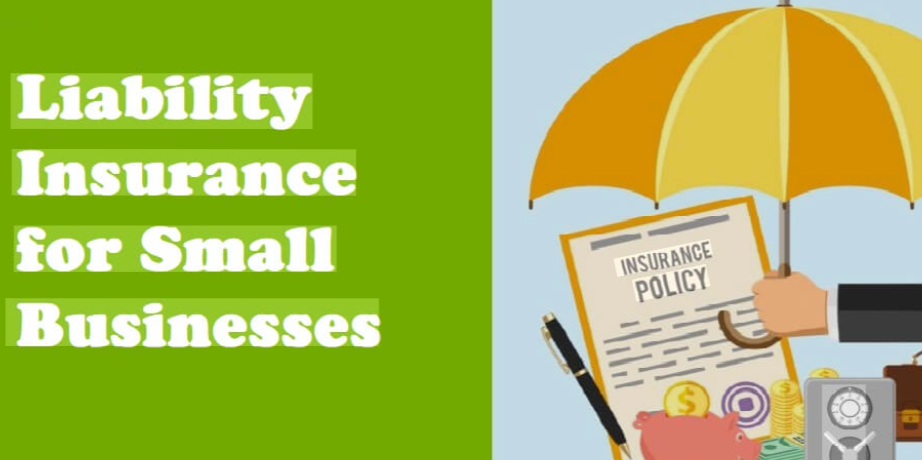
Small business commercial liability insurance is a policy designed to protect businesses from financial losses caused by accidents, injuries, property damage, or legal claims. Every business interacts with customers, vendors, suppliers, or the public in some way. Even if a company is careful, unexpected incidents can still happen. Insurance helps cover legal costs, medical bills, repair expenses, and settlement payments that could otherwise destroy a business financially.
Think about a coffee shop owner who accidentally spills hot coffee on a customer, or a contractor whose equipment damages a client’s property during a project. Without liability coverage, the business owner would likely pay legal fees and compensation from personal or company savings. That financial pressure can quickly become overwhelming for small businesses already managing rent, payroll, taxes, and operational expenses.
Commercial liability insurance acts like a financial shield around the business. It does not stop accidents from happening, but it reduces the financial damage caused by lawsuits and claims. Many landlords and clients also require proof of insurance before allowing businesses to operate or sign contracts. In many industries, insurance coverage increases trust because customers prefer companies that appear professional and prepared.
Modern business risks have expanded beyond physical stores. Even online businesses face liability concerns related to advertising, copyright disputes, customer complaints, and cybersecurity issues. That is why insurance companies now offer different types of liability coverage designed for different industries and business models.
Also check- Forex Trading Platform
Why Liability Insurance Matters for Modern Businesses
The business environment in 2026 is far more complex than it was a decade ago. Customers are more aware of their legal rights, lawsuits are more common, and claim settlements have become more expensive. Small business owners often believe lawsuits only affect large corporations, but statistics show small businesses are frequent targets because they may lack legal resources.
Insurance experts explain that legal defense costs alone can reach thousands of dollars, even if the business eventually wins the case. A single lawsuit involving customer injury or property damage can create long-term financial stress. Reports published in 2026 show rising liability insurance costs due to increasing claim severity and larger settlement amounts across multiple industries.
Commercial liability insurance also protects a company’s reputation. Customers and business partners feel more confident when working with insured businesses because it demonstrates responsibility and professionalism. Imagine hiring a contractor without insurance and then discovering property damage during a renovation project. Most customers prefer businesses that are financially prepared to handle unexpected situations.
Another important reason liability insurance matters is contract requirements. Without insurance, companies may lose valuable business opportunities. In competitive industries, having proper coverage can even help businesses win larger contracts and attract better clients.
Types of Commercial Liability Insurance: Small Business Commercial Liability Insurance
Commercial liability insurance is not a single policy. Different businesses face different risks, so insurers offer specialized coverage options. Understanding these types helps business owners choose protection that fits their operations instead of paying for unnecessary policies.
General Liability Insurance: Small Business Commercial Liability Insurance
General liability insurance is the foundation of commercial coverage. It protects businesses against third-party bodily injury claims, property damage claims, and advertising-related disputes. This is the most common type of business insurance purchased by small companies because almost every business faces these risks.
For example, if a customer slips and falls inside a retail store, general liability insurance may cover medical expenses and legal costs. If an employee accidentally damages a client’s furniture while performing services, the policy may also help pay for repairs or replacement costs. Advertising injury coverage can even help businesses facing lawsuits involving copyright infringement or defamation claims.
Many small businesses pay between $30 and $125 monthly for general liability insurance depending on risk level, business size, and industry category. Lower-risk businesses such as consultants and freelancers usually pay less than contractors or restaurants because physical risk exposure differs significantly.
Professional Liability Insurance: Small Business Commercial Liability Insurance
Professional liability insurance is designed for businesses that provide advice, expertise, or professional services. It is also called Errors and Omissions Insurance or E&O Insurance. This coverage protects businesses when clients claim financial loss caused by mistakes, negligence, or failure to deliver promised services.
A marketing consultant who provides incorrect advertising advice, an accountant who makes a filing mistake, or a software developer whose coding error causes business disruption may face professional liability claims. Even highly skilled professionals can make mistakes, and defending against these claims can become expensive.
Unlike general liability insurance, professional liability insurance focuses on financial harm rather than physical injury or property damage. Service-based businesses often combine general liability and professional liability policies to create stronger overall protection.
Product Liability Insurance: Small Business Commercial Liability Insurance
Businesses that manufacture, distribute, or sell products face product liability risks. If a product causes injury or damage, customers may file lawsuits against the business responsible for selling or producing it. Product liability insurance helps businesses handle legal and compensation expenses related to defective or unsafe products.
This type of insurance is extremely important for food businesses, cosmetics brands, electronics sellers, toy manufacturers, and e-commerce stores. Even a small design flaw or packaging mistake can create serious legal trouble. Social media also increases risk because negative reviews and customer complaints spread quickly online.
Product liability claims can become expensive because they often involve multiple customers or large-scale recalls. Businesses selling physical products should never ignore this coverage because one defective item can create a chain reaction of financial damage.
Cyber Liability Insurance: Small Business Commercial Liability Insurance
Cyber threats are growing rapidly, and even small businesses are becoming targets for hackers and data breaches. Cyber liability insurance helps businesses recover from financial losses caused by cyberattacks, ransomware incidents, customer data theft, or online fraud.
Many small businesses assume hackers only target large corporations, but smaller companies are often easier targets because their cybersecurity systems are weaker. Customer information, payment data, and confidential business records are valuable to cybercriminals.
Cyber liability insurance may cover legal fees, notification costs, system recovery expenses, and reputation management after a data breach. Businesses operating online stores or storing customer information should seriously consider adding cyber coverage to their insurance plans.
What Does Commercial Liability Insurance Cover
Commercial liability insurance covers many common business risks, but understanding the details is extremely important. Business owners sometimes assume every situation is covered, only to discover coverage limits or exclusions after filing claims.
Bodily Injury Claims: Small Business Commercial Liability Insurance
Bodily injury coverage protects businesses when customers or third parties suffer physical injuries connected to business operations. This can include slip-and-fall accidents, injuries caused by equipment, or accidents occurring at business premises.
For example, imagine a customer visiting a salon and slipping on a wet floor near the entrance. Medical treatment, legal fees, and compensation claims can become expensive quickly. Liability insurance helps businesses handle these costs without draining company savings.
Small accidents may seem manageable at first, but injuries can lead to long-term medical expenses and lawsuits. Even businesses with excellent safety procedures can experience unexpected incidents.
Property Damage Claims: Small Business Commercial Liability Insurance
Property damage coverage protects businesses when they accidentally damage someone else’s property. Contractors, cleaning companies, delivery services, and repair technicians commonly face these risks while working at customer locations.
Imagine a plumber accidentally damaging a customer’s flooring during pipe repairs. Without insurance, the business owner may need to pay thousands of dollars from personal funds. Insurance coverage helps businesses continue operations even after costly accidents.
Property damage claims can also involve neighboring businesses or public property. A small mistake can sometimes trigger major repair expenses and legal disputes.
Advertising Injury and Reputation Issues: Small Business Commercial Liability Insurance
Advertising injury coverage is often overlooked, but it is increasingly important in the digital marketing era. Businesses can face lawsuits for copyright infringement, misleading advertising, defamation, or unauthorized use of marketing content.
Social media marketing, website content, and online advertising create new legal risks for modern businesses. Using copyrighted images, making false claims, or unintentionally damaging another company’s reputation can lead to expensive legal disputes.
Advertising injury coverage helps businesses defend themselves and manage legal costs connected to these claims. Online businesses and digital marketers especially benefit from this protection.
What Commercial Liability Insurance Does Not Cover: Small Business Commercial Liability Insurance
Although liability insurance offers strong protection, it does not cover everything. Understanding exclusions prevents confusion during claims.
| Covered Situations | Usually Not Covered |
|---|---|
| Customer injuries | Employee injuries |
| Property damage to others | Intentional damage |
| Legal defense costs | Criminal acts |
| Advertising injury claims | Fraudulent activities |
| Product-related claims | Professional mistakes without E&O coverage |
Employee injuries are usually handled through workers’ compensation insurance rather than general liability coverage. Intentional damage or illegal activities are also excluded because insurance companies do not cover deliberate misconduct.
Businesses should carefully review policy documents and ask questions before purchasing coverage. Understanding exclusions is just as important as understanding benefits.
Average Cost of Small Business Commercial Liability Insurance
The cost of commercial liability insurance depends on several factors including industry type, business size, location, annual revenue, and claim history. Businesses operating in higher-risk industries generally pay more because the chance of lawsuits and accidents is greater.
Recent insurance reports from 2026 show that many small businesses spend between $400 and $2,000 annually for general liability coverage. Some low-risk businesses pay under $50 monthly, while contractors and construction companies may pay significantly more.
Here is a simple comparison of estimated annual costs:
| Business Type | Estimated Annual Cost |
|---|---|
| Freelancers and Consultants | $400 – $800 |
| Retail Stores | $600 – $1,500 |
| Restaurants | $1,200 – $3,000 |
| Contractors | $2,000 – $5,000+ |
| E-commerce Businesses | $500 – $1,200 |
Insurance companies evaluate risk carefully before providing quotes. Businesses with previous claims or dangerous work environments often pay higher premiums.
Best Industries That Need Commercial Liability Insurance
Almost every business benefits from liability coverage, but some industries face greater exposure to lawsuits and accidents.
Construction and Contracting Businesses: Small Business Commercial Liability Insurance
Construction businesses face some of the highest liability risks because workers use heavy equipment, operate at dangerous job sites, and interact with expensive client property. Even experienced contractors can accidentally cause injuries or property damage during projects.
Contractors often need higher coverage limits because lawsuits in construction industries can become extremely expensive. Many commercial clients also require contractors to carry at least one million dollars in liability coverage before starting projects.
Restaurants and Retail Stores: Small Business Commercial Liability Insurance
Restaurants and retail stores interact with customers daily, increasing the likelihood of accidents. Slippery floors, food-related illnesses, damaged customer property, or advertising disputes can create legal claims.
Restaurant owners also face additional risks connected to food safety and alcohol service. Retail businesses must manage customer safety inside stores while protecting inventory and operations.
How to Choose the Right Insurance Policy: Small Business Commercial Liability Insurance
Choosing the right insurance policy requires careful planning. Many business owners purchase the cheapest policy available without understanding coverage details. That decision can create problems later if claims exceed policy limits.
Business owners should first identify the biggest risks connected to their industry. Contractors may need higher property damage coverage, while consultants may require stronger professional liability protection.
Comparing insurance providers is also important because pricing, customer service, and claim handling quality vary widely. Reading reviews and checking claim response reputation can help businesses avoid frustrating experiences later.
Coverage limits deserve careful attention. Policies with very low limits may appear affordable but may not provide enough protection during serious lawsuits. Balancing affordability and adequate coverage is essential for long-term financial safety.
Common Mistakes Small Business Owners Make: Small Business Commercial Liability Insurance
One major mistake is assuming small businesses are too small to be sued. Legal claims affect businesses of all sizes, and small companies often struggle more because financial reserves are limited.
Another mistake involves underinsuring the business to reduce monthly costs. Saving a small amount on premiums may create enormous financial losses later if claims exceed coverage limits.
Some business owners also fail to update policies as the company grows. Hiring employees, expanding locations, increasing revenue, or adding new services can change insurance needs significantly.
Benefits of Having Commercial Liability Insurance: Small Business Commercial Liability Insurance
Commercial liability insurance provides peace of mind that allows business owners to focus on growth instead of worrying constantly about lawsuits and financial disasters. Running a business already involves enough pressure without the fear of losing everything after one unexpected accident.
Insurance also improves credibility. Customers, vendors, and clients often trust insured businesses more because coverage demonstrates professionalism and responsibility.
Another major benefit is contract access. Many commercial projects, office leases, and vendor agreements require proof of liability insurance before approval. Businesses without insurance may lose opportunities to competitors.
Liability insurance also protects personal finances. Without proper coverage, business owners may risk personal savings and assets while paying legal claims and settlement expenses.
Tips to Reduce Commercial Insurance Costs: Small Business Commercial Liability Insurance
Businesses can lower insurance costs by improving workplace safety and reducing claim risks. Insurance companies reward businesses with strong safety practices because they are less likely to file expensive claims.
Bundling multiple policies together often reduces overall costs. Many insurers offer Business Owner Policies that combine liability and property coverage at discounted rates.
Choosing higher deductibles may also lower monthly premiums, although businesses should ensure they can afford the deductible during emergencies.
Future Trends in Commercial Liability Insurance: Small Business Commercial Liability Insurance
Commercial liability insurance continues evolving as business risks change. Cybersecurity threats, artificial intelligence tools, remote work, and digital marketing create new legal exposures for businesses worldwide.
Experts predict cyber liability insurance demand will continue increasing because data breaches and ransomware attacks affect businesses across all industries. Insurance companies are also using advanced technology and data analytics to evaluate risk more accurately.
Climate-related events and rising legal settlements are influencing insurance pricing as well. Businesses operating in high-risk regions may experience higher premiums in coming years.
Modern businesses must stay informed about insurance trends because risks evolve quickly. Companies that adapt early often protect themselves more effectively while controlling long-term costs.
Conclusion
Small business commercial liability insurance is one of the smartest investments a business owner can make. Accidents, lawsuits, and unexpected claims can happen at any time, even in well-managed companies. Without proper coverage, one legal dispute could create devastating financial consequences.
Liability insurance protects businesses from bodily injury claims, property damage expenses, advertising disputes, and many other legal risks. It also improves credibility, supports business growth, and helps companies qualify for contracts and commercial opportunities.
The right policy depends on industry type, business size, and operational risks. Business owners should carefully review coverage options, compare providers, and avoid focusing only on the cheapest premium. Strong protection is far more valuable than temporary savings.
Modern business environments are changing rapidly, and liability risks continue increasing every year. Businesses that invest in proper insurance coverage position themselves for long-term stability, growth, and confidence in an unpredictable marketplace.